
What Is a Normal Eye Pressure Reading? Understanding Healthy Ranges, High Eye Pressure, and Glaucoma Risk
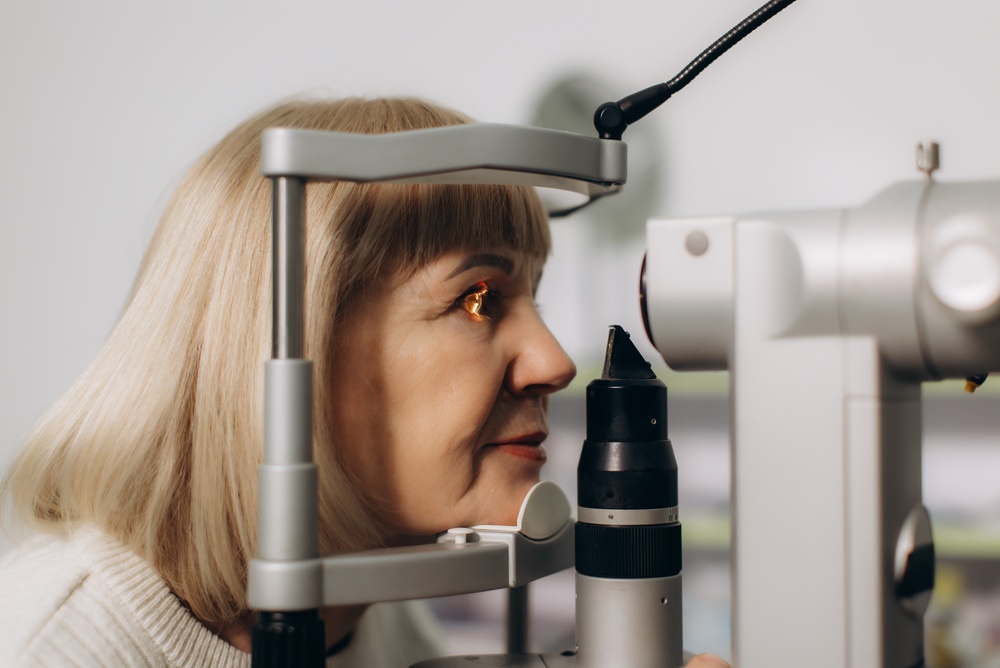
Eye pressure is an important part of evaluating your overall eye health, particularly when we are assessing your risk for glaucoma. However, a single eye pressure reading does not tell the whole story. At iCare Optometry, we evaluate eye pressure along with other findings from your eye exam to get a clearer picture of your ocular health.
What Is Considered Normal Eye Pressure?
Eye pressure, also called intraocular pressure or IOP, is measured in millimeters of mercury, or mmHg. A typical eye pressure is roughly between 10 and 20 mmHg, although an individual's healthy pressure can vary.
Pressure inside the eye is affected by the balance between the production and drainage of aqueous humor, the clear fluid in the front portion of the eye. When this fluid does not drain properly, pressure may rise.
An eye pressure reading should always be interpreted in context. Corneal thickness, for example, can influence pressure measurements, which is one reason we do not rely on a single number when evaluating glaucoma risk.
Does High Eye Pressure Mean You Have Glaucoma?
Not necessarily. Some people have consistently elevated eye pressure without detectable optic nerve damage. This is known as ocular hypertension. Having high eye pressure does increase the risk of developing glaucoma, so regular monitoring may be recommended.
The opposite can also occur. Normal-tension glaucoma causes characteristic optic nerve damage even though eye pressure readings remain within a range typically considered normal. This is why measuring eye pressure alone is not enough to diagnose or rule out glaucoma.
What Else Do We Consider When Evaluating Glaucoma Risk?
During an eye exam, we consider your pressure readings together with your eye health, medical history, and other potential risk factors. These may include:
• A family history of glaucoma
• Increasing age
• Optic nerve appearance
• Peripheral vision
• Previous eye injuries or certain eye surgeries
• Long-term use of steroid medications
Depending on your findings, additional evaluation of the optic nerve or visual field may be appropriate. A comprehensive eye exam allows us to look beyond the pressure measurement and identify changes that may require closer monitoring.
The Importance of Regular Eye Exams
Glaucoma can develop without noticeable symptoms in its early stages. By the time someone recognizes changes in their vision, permanent optic nerve damage may already have occurred. Regular comprehensive eye exams give us an opportunity to check eye pressure and evaluate other signs associated with glaucoma before significant vision loss develops.
If we find an elevated pressure reading, it does not automatically mean that you have glaucoma. We may consider your overall risk profile and whether follow-up testing or continued monitoring is appropriate. Likewise, a pressure reading within the typical range does not guarantee that glaucoma is absent.
Schedule your glaucoma exam with iCare Optometry and take a proactive approach to protecting your eye health. Visit our office in Idaho Falls, Idaho, book an appointment online, or call (208) 522-2839 for an appointment.


Our Services
Contact Info
Phone: (208) 522-2839
Exams booked through Sam's Club Optical
*Phone lines are open 7 days a week*
Exams booked through Sam's Club Optical
*Phone lines are open 7 days a week*
Hours of Operation
- Monday 10:00am - 1:00pm
- Tuesday 10:00am - 1:00pm
- Wednesday 10:00am - 5:00pm
- Thursday 10:00am - 1:00pm
- Friday Closed
- Saturday Closed
- Sunday Closed
© 2026 iCare Optometry. All rights Reserved. Accessibility Statement - Privacy Policy - Sitemap
Powered by:
