
Common Signs of Seasonal Eye Allergies Everyone Should Know
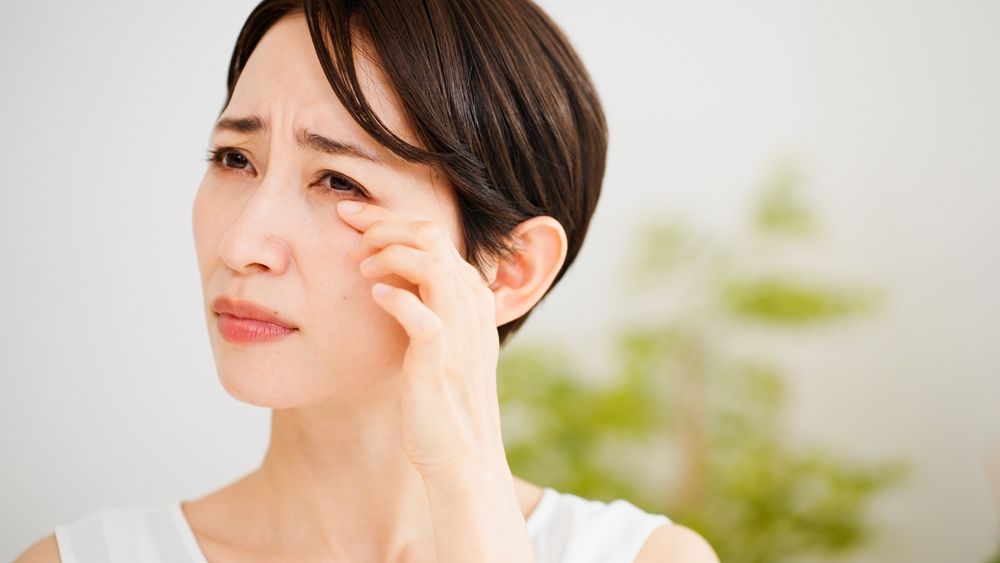
Seasonal eye allergies affect millions of people each year, especially during spring, summer, and fall when pollen counts rise. While symptoms can vary from person to person, many people overlook or misinterpret the early signs, assuming they’re due to fatigue, dry air, or screen use. Knowing what to watch for can help you get relief sooner and protect your long-term eye comfort. If you’re experiencing recurring irritation or discomfort, visiting our eye doctor in Idaho Falls can help you determine whether allergies are the true cause and what treatment options may work best for you.
Itchy or Irritated Eyes
One of the most common signs of seasonal eye allergies is persistent itchiness. This happens when allergens - such as pollen, grass, or mold - trigger your body’s histamine response. Unlike dry eye, which often feels gritty, allergy-related irritation comes with a strong urge to rub your eyes. Avoid rubbing, as it can worsen swelling, spread allergens, and increase the risk of infection.
Red or Bloodshot Eyes
Allergic reactions often cause inflammation of the conjunctiva, leading to redness or a bloodshot appearance. This symptom can appear suddenly and may worsen when you’re outdoors or exposed to your specific triggers. If redness becomes frequent, consider talking to our eye doctor for evaluation and eye allergy treatment designed to reduce inflammation and improve comfort.
Puffy or Swollen Eyelids
Swelling around the eyes is another common allergy symptom. Puffy lids may occur when inflammation builds overnight or when you’ve recently been exposed to allergens like grass or airborne particles. Cold compresses may help temporarily, but long-term relief often requires addressing the underlying allergy triggers.
Burning Sensation or Mild Eye Pain
While seasonal allergies rarely cause severe pain, many people experience a burning or stinging sensation. This often worsens when allergens accumulate on the eye’s surface or when your tears evaporate too quickly. If burning becomes intense or persistent, it's important to seek professional care to rule out conditions that can mimic allergy symptoms, such as dry eye syndrome or infections.
Light Sensitivity (Photophobia)
Some individuals with eye allergies become more sensitive to bright light or sunlight. This happens when inflammation makes the eyes more reactive to glare. Wearing sunglasses outdoors can help, but persistent light sensitivity should be evaluated by an eye care professional.
When to See an Eye Doctor
If your symptoms continue for several days, recur each year, or interfere with your daily comfort, visiting an eye doctor in Idaho Falls is a smart first step. At iCare Optometry, comprehensive testing can determine whether your symptoms stem from allergies, dry eye, or another condition - and help you get personalized eye allergy treatment in Idaho Falls.
Get Expert Eye Allergy Care at iCare Optometry
Seasonal eye allergies can be frustrating, but recognizing the early signs can make a big difference in getting the relief you need. From itchy eyes to swollen lids, these symptoms often point to allergic conjunctivitis. Professional care can help you manage your symptoms effectively and protect your long-term eye health.
If you’re dealing with itchy, red, or watery eyes, contact iCare Optometry to schedule a consultation and get personalized eye allergy treatment. Visit our office in Idaho Falls, Idaho, or call (208) 522-2839 to book an appointment today.


Our Services
Contact Info
Phone: (208) 522-2839
Exams booked through Sam's Club Optical
*Phone lines are open 7 days a week*
Exams booked through Sam's Club Optical
*Phone lines are open 7 days a week*
Hours of Operation
- Monday 10:00am - 1:00pm
- Tuesday 10:00am - 1:00pm
- Wednesday 10:00am - 5:00pm
- Thursday 10:00am - 1:00pm
- Friday Closed
- Saturday Closed
- Sunday Closed
© 2026 iCare Optometry. All rights Reserved. Accessibility Statement - Privacy Policy - Sitemap
Powered by:
